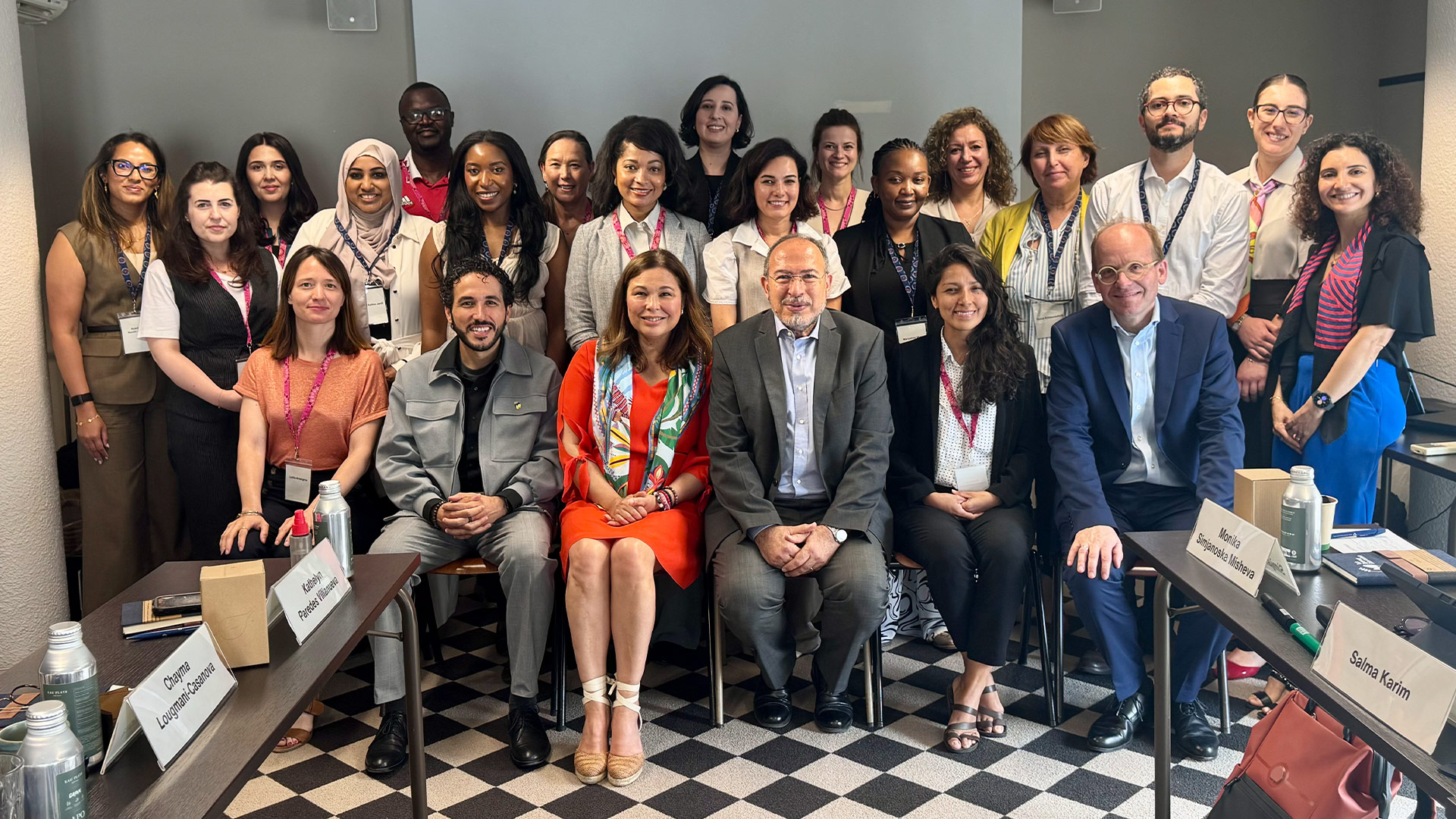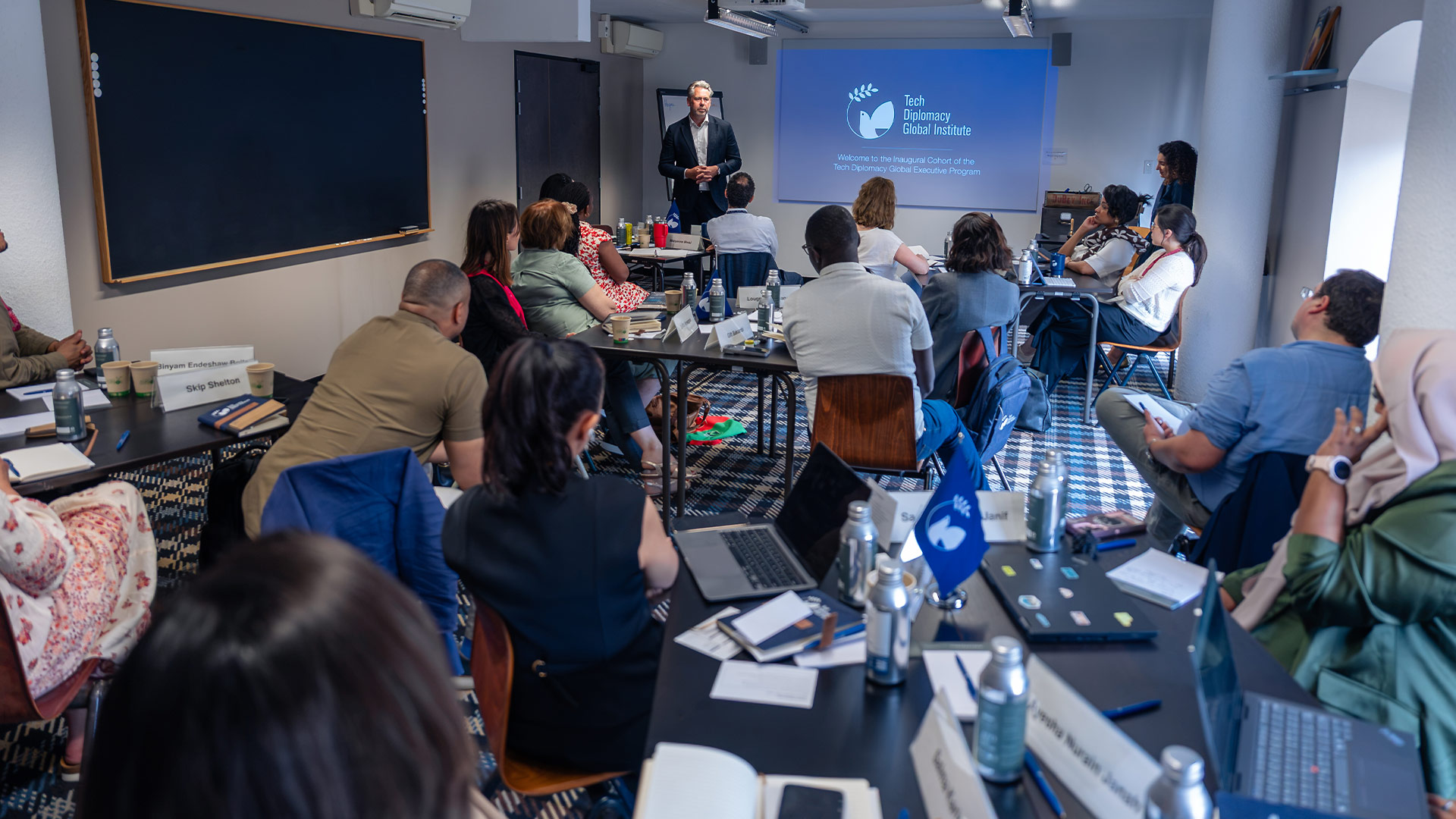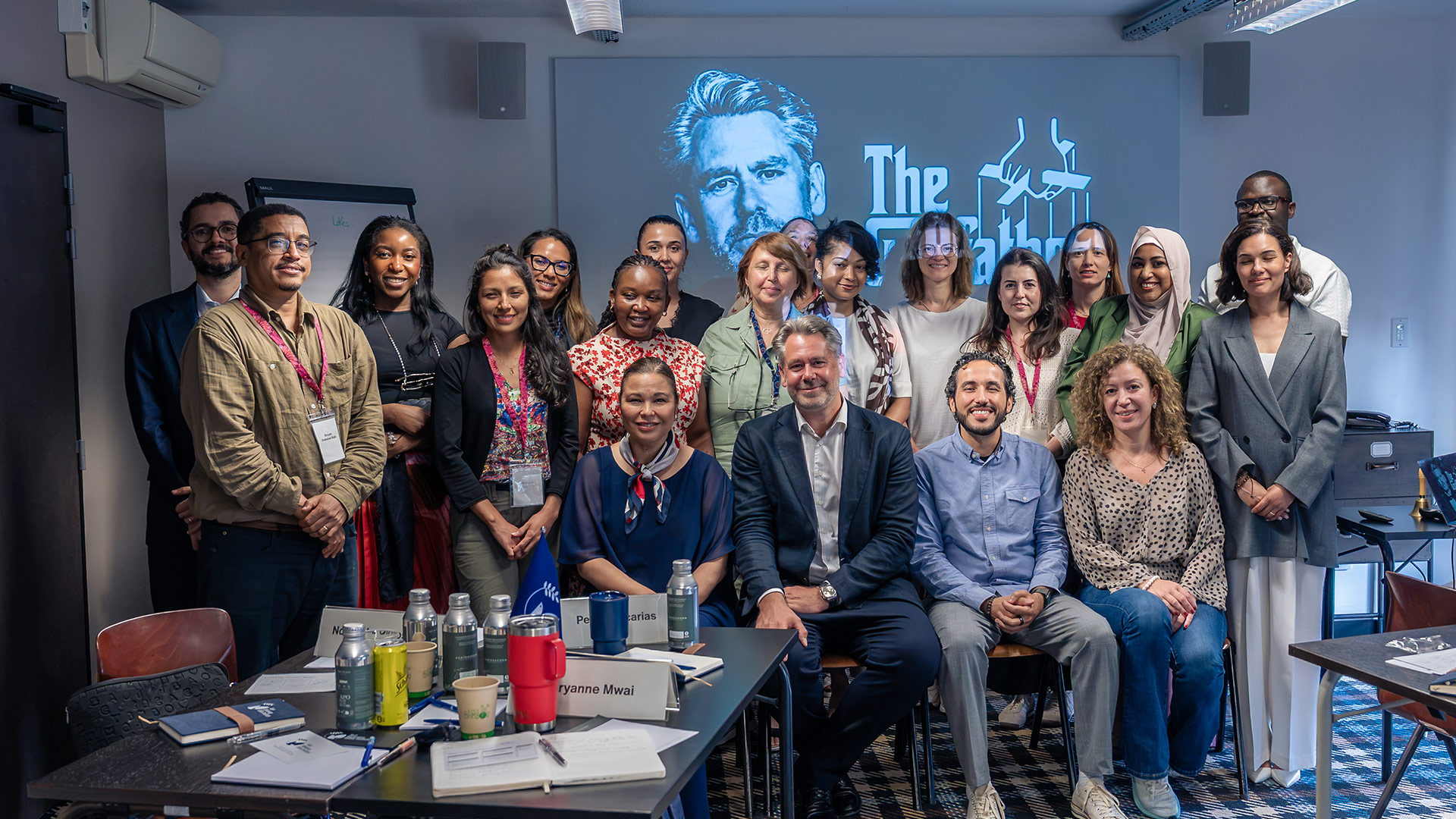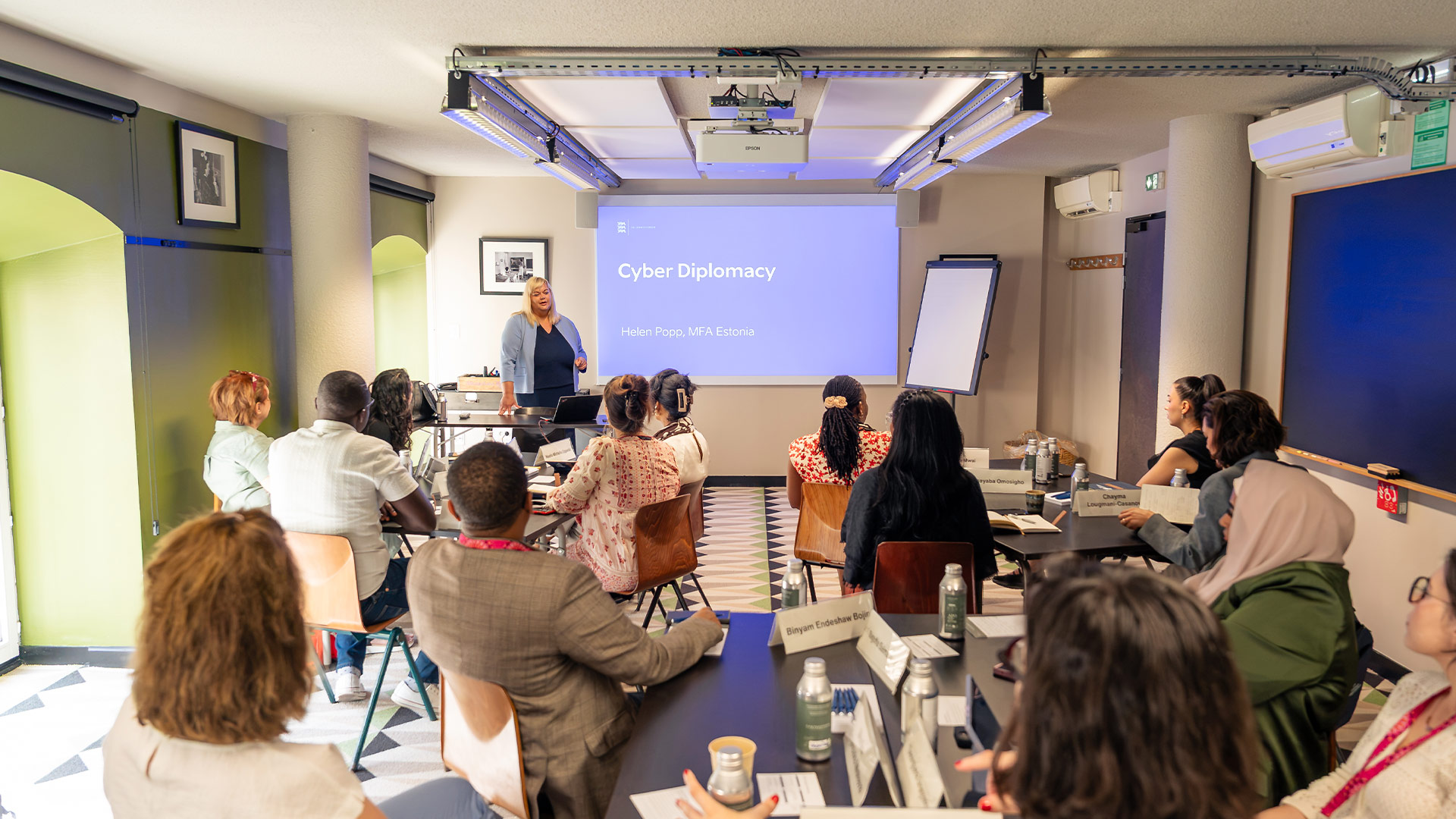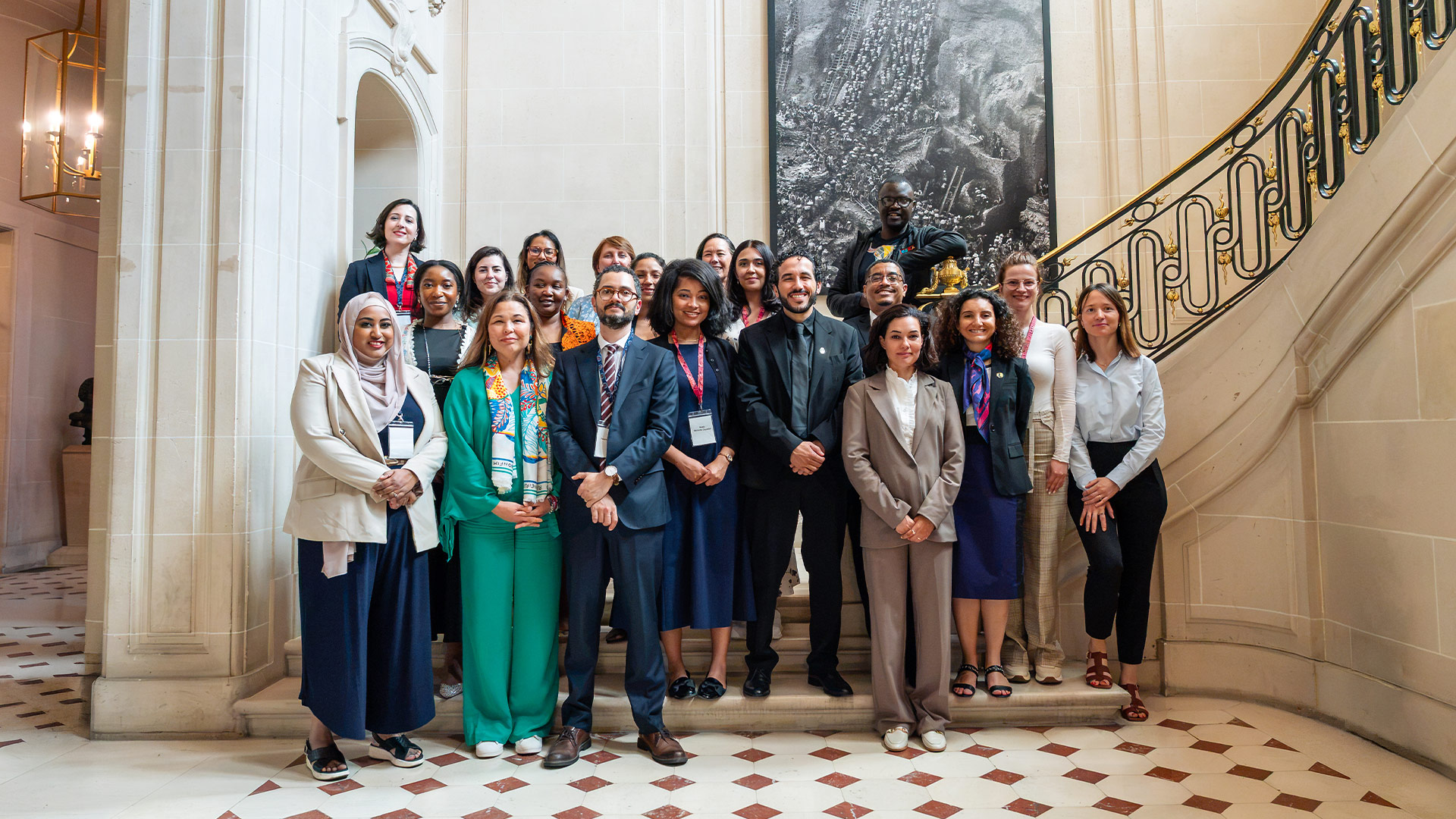
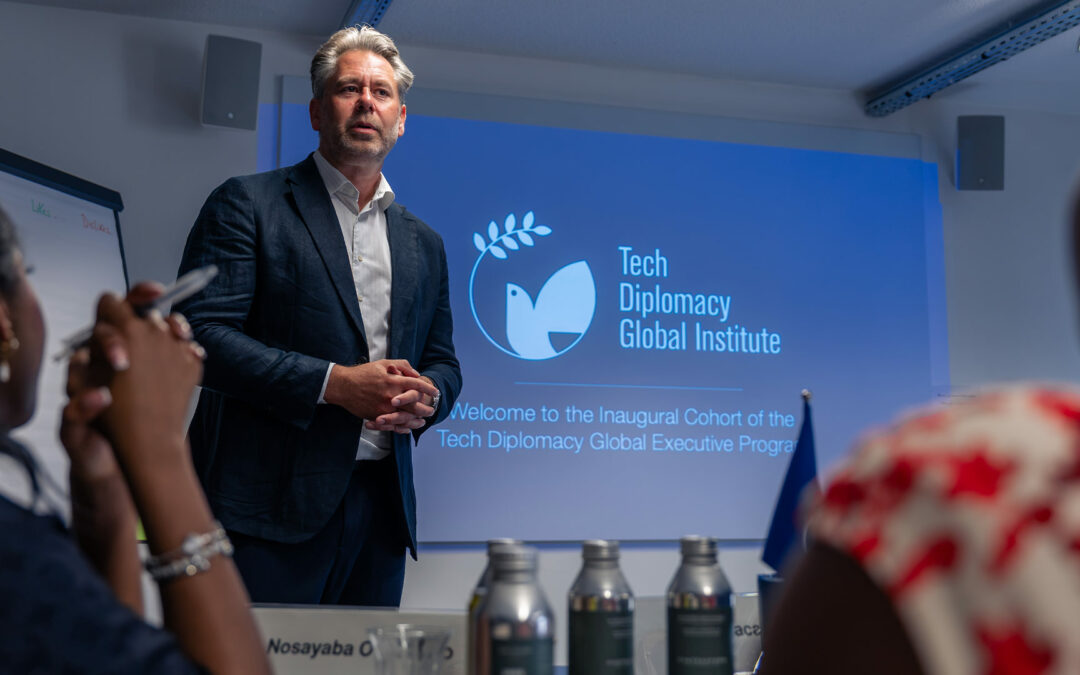
On 29 June 2026, the Tech Diplomacy Global Institute officially launched the first cohort of the Tech Diplomacy Global Executive Program (TDGEP) in Paris. Twenty participants from sixteen countries, representing every region of the world, gathered for the program’s first residential week, held through 3 July, marking the start of a six-month executive journey that runs from June to December 2026. TDGEP was created to train a new profession: leaders fluent in both diplomacy and technology.
The launch gives concrete form to the Institute’s founding mission. No country should be a rule-taker in a world it is expected to live in, and no government should meet the technologies reshaping its society from a position of dependence. TDGEP exists to give senior officials and leaders the knowledge, the relationships and the fluency to meet technology deliberately, and to make tech diplomacy a practical craft rather than an abstract ambition.
A Curriculum Built on Practice
The week opened with a welcome and framing session led by Prof. Tawfik Jelassi, Chair of the Institute’s Supervisory Board, and Ayumi Moore Aoki, Founder and President of the Institute, on why tech diplomacy has become both a global urgency and a national capability.
From there, the cohort moved through the intellectual foundations of the field. Dr. Stefania Pia Grottola traced the evolution of internet governance, from technical coordination to global governance, and examined tech diplomacy as an innovation in statecraft, contrasting the Danish and Swiss models and exploring how governments design the function for strategic advantage. Martin Rauchbauer, one of the profession’s pioneers, closed the first day with a practitioner’s view of navigating the geo-technology landscape in an era of disruption.
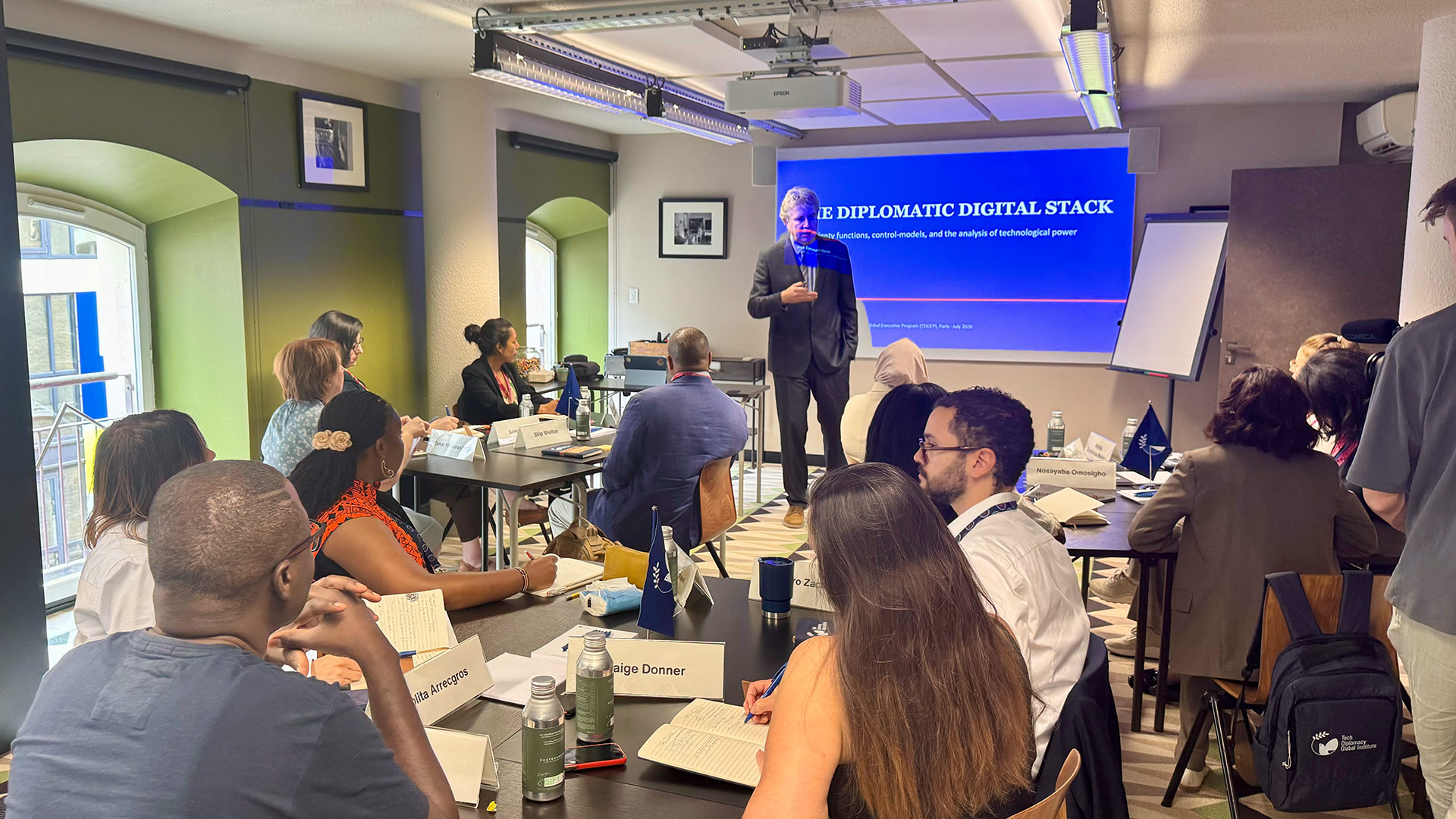
Over the following days, Prof. Corneliu Bjola of the University of Oxford introduced the Diplomatic Digital Stack, the technical foundations that shape policy choices, with case discussions on standard-setting, regulatory competition and geopolitical leverage. Ambassador Helen Popp, Estonia’s Ambassador-at-Large for Cyber Diplomacy, led a session on cyber diplomacy at the national and institutional level. Prof. Rachel Adams guided the cohort through responsible AI governance and ethics, including case studies from the Global South. Casper Klynge, the world’s first Tech Ambassador and godfather of TDGEP’s first cohort, joined participants for a fireside chat on what the role demands in practice.
The program’s pedagogy is deliberately applied. Throughout the week, participants worked in the Capstone Design Studio, framing capstone projects anchored in the real institutional priorities of their own governments and organisations, so that what is learned in Paris returns home as policy.
Diplomacy Beyond the Classroom
The residential format is itself part of the curriculum. On the evening of 30 June, the cohort was received at the Embassy of Brazil in Paris for a session and cocktail reception, following a case study on how Brazil built its tech diplomacy practice. The visit gave participants a first-hand look at innovation diplomacy in action, and at the working relationships on which the craft depends.
The centrepiece of the week came on 2 July, when the cohort attended the second edition of the Tech Diplomacy Global Forum at UNESCO Headquarters, convened by the Institute in collaboration with UNESCO under the theme “Tech Diplomacy as Statecraft: Building Trust in a Fragmented Era.” Participants observed ministers, ambassadors and technology leaders engage the very questions their program is designed to answer, and debriefed the Forum’s lessons in plenary the following morning.
The final day continued at the highest level of access: an intimate fireside chat with H.E. Gobind Singh Deo, Malaysia’s Minister of Digital, sessions with Titi Akinsanmi on corporate power, dependencies and public-private strategy, and a closing discussion on the future of tech governance with Dr. Olga Cavalli and Raul Echeberría.
A New Profession Takes Shape
TDGEP is the Institute’s answer to a structural gap. Technology now shapes how nations compete and cooperate, yet most governments still lack officials trained to operate at the intersection of diplomacy and technology. The program’s first cohort, drawn from sixteen countries across every region, reflects the Institute’s conviction that this capability must be built everywhere, in established and emerging powers alike, and that no nation is too small to be sovereign in the digital age.
Prof. Tawfik Jelassi and Ayumi Moore Aoki closed the week by setting the stage for what comes next. The Paris residential is only the opening chapter of the six-month program: between now and December 2026, participants will continue their learning journey and develop their capstone projects, building a global community of practice that will extend well beyond the first cohort.
One year ago, the Global Executive Program was an announcement. Today it is a classroom, an embassy reception, a seat at UNESCO, and twenty leaders from sixteen countries returning home with a new craft. This is how a profession is built: patiently, in good faith, and together.
For information on future cohorts of the Tech Diplomacy Global Executive Program, visit our TDGEP page or contact the Institute.